
Tap-Tap
Function: connects a purposeful touch with an immediate response and gives the caregiver a simple cue for naming and turn-taking.
 BabyBrain
Notify me
BabyBrain
Notify me
BabyBrain organizes games into four flexible activity bands for ages 2-6, moving from purposeful action and simple choices toward memory, sorting, tracing, numbers, letters, and early rules.
Sensory stage
At this stage, BabyBrain keeps play simple and positive: the child touches, watches, listens, moves, and repeats. Every interaction produces a response, with no wrong-answer penalty.
Function: connects a purposeful touch with an immediate response and gives the caregiver a simple cue for naming and turn-taking.

Function: invites open-ended sound exploration. Each instrument responds immediately, and a round ends after every displayed instrument has been heard.
Function: practices visual tracking, timing, and controlled touch as the child follows and taps a moving object.
Function: invites the child to scan the screen and make each object disappear through intentional tapping.

Function: combines visual tracking with repeated shape and color exposure using one large moving target.
Function: supports matching and naming familiar shapes through large targets and one-step prompts.

Function: supports color matching and naming through clear choices without complex rules.
Function: offers free-form one-finger drawing with immediate color, sound, and particle feedback.
Symbolic stage
At this stage, play asks for small choices and short patterns: name it, choose it, move it, remember it, or repeat a simple musical sequence.
Function: practices visual tracking, prediction, and controlled tapping as an animal moves across the screen.
Function: plays one instrument cue and asks the child to choose the same instrument from two to four options.
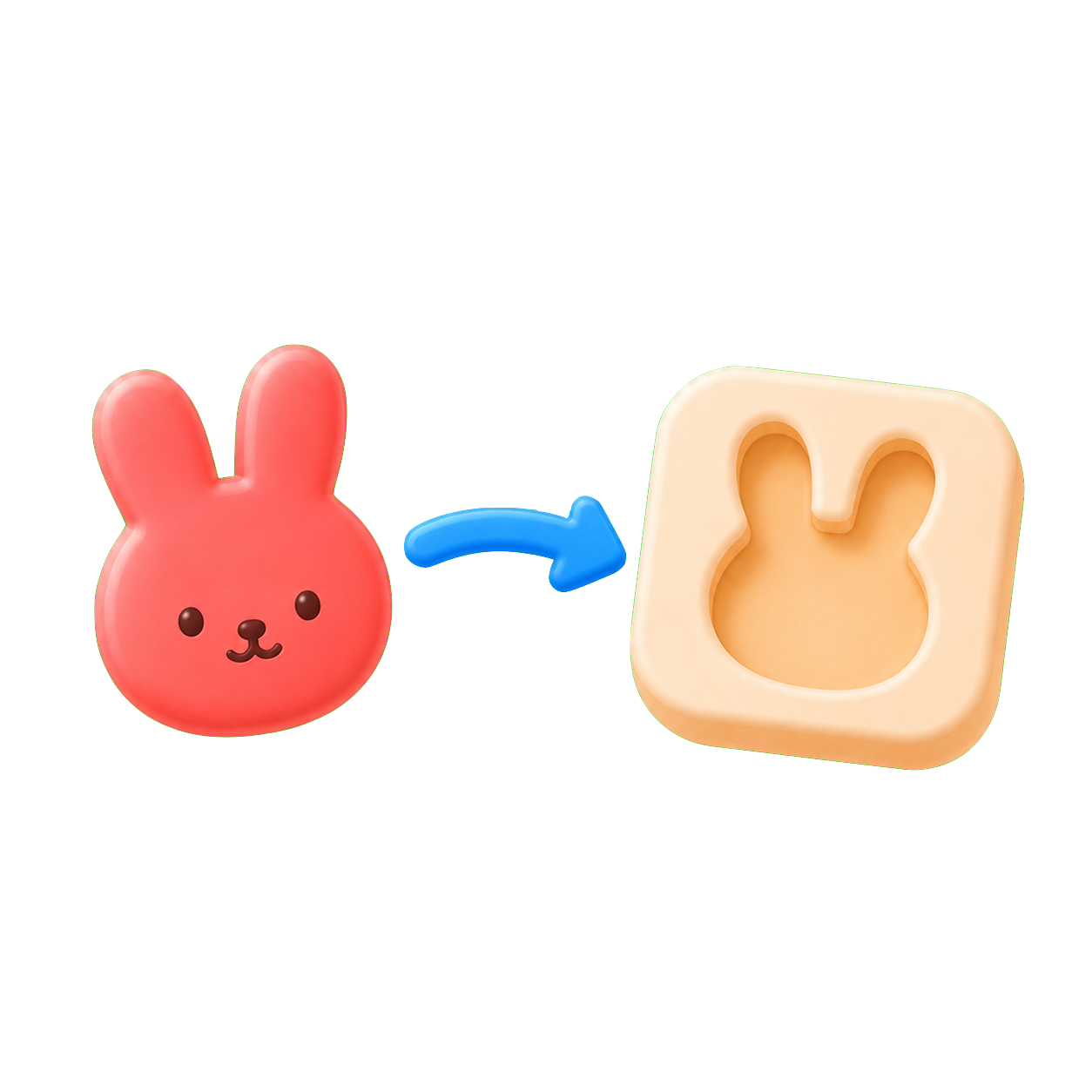
Function: asks the child to press, move, aim, and release an object at a visible destination.
Function: moves from noticing shapes to choosing the requested shape from a small set.
Function: supports color naming, comparison, and matching through clear category choices.

Function: exercises working memory and prediction through short reveal-and-recall play.
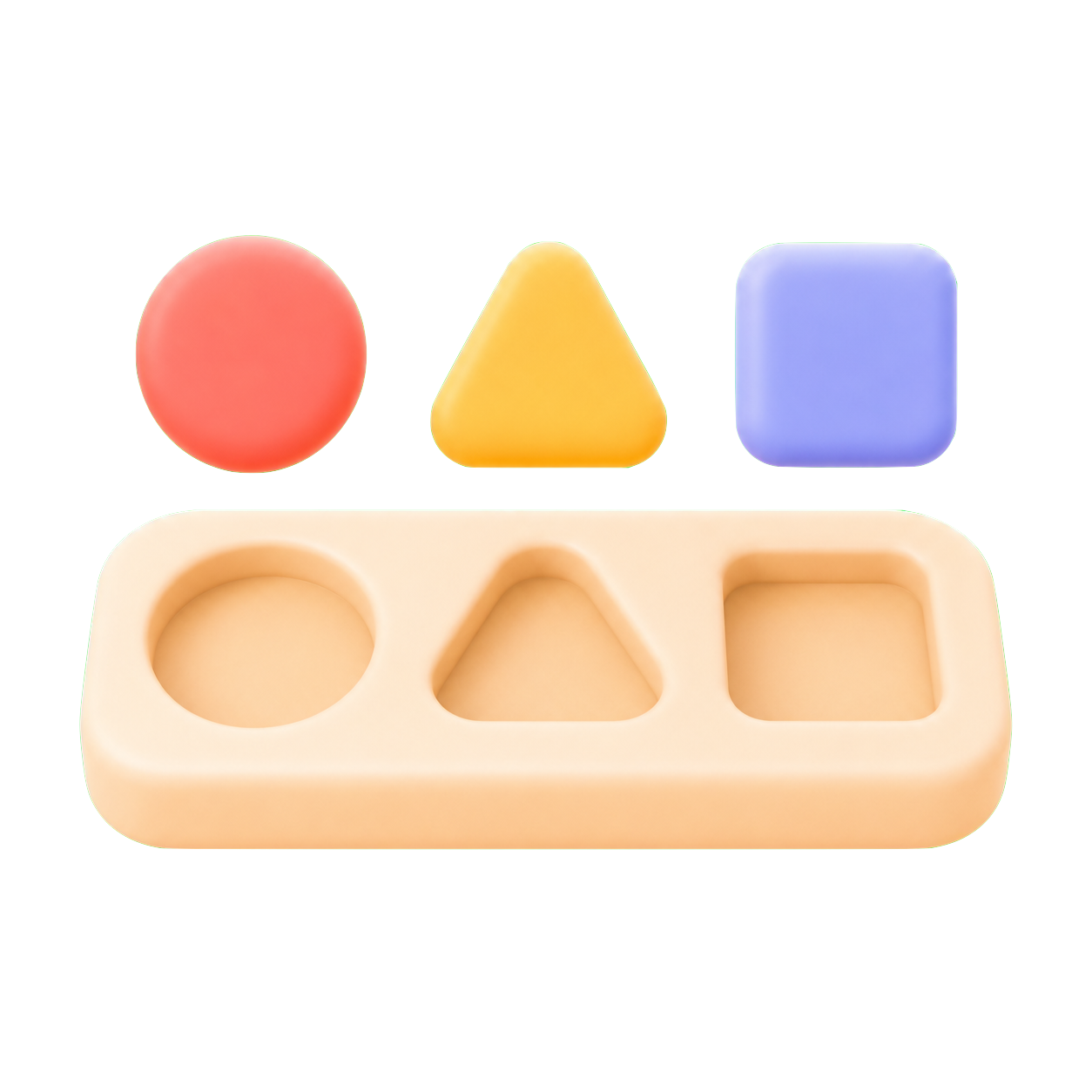
Function: introduces grouping by simple attributes such as shape, color, or category.

Function: asks the child to guide one continuous finger movement along a broad visual route.
Pre-Logical stage
At this stage, BabyBrain introduces simple rules and guided sequences. Activities ask the child to compare, group, count, remember, trace, and follow visual or musical order.
Function: asks the child to identify a requested shape among increasingly similar choices.
Function: asks the child to follow an ordered two- or three-instrument sequence one step at a time.
Function: practices matching and naming colors with more consistent decision-making.
Function: asks the child to apply one visible category rule and notice when an item does not fit.
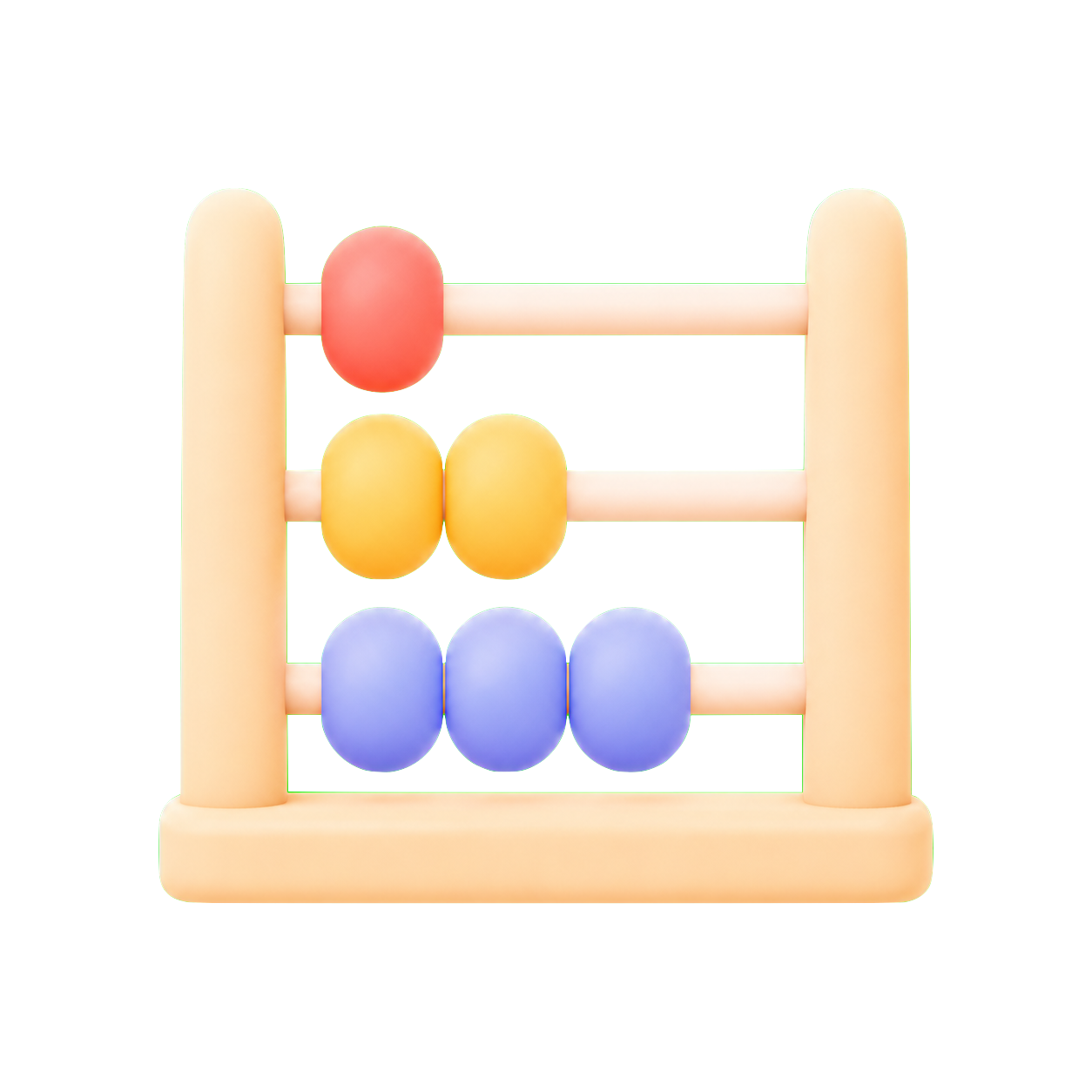
Function: connects quantity, number words, and counting order across small visible sets.

Function: asks the child to remember card locations and find matching visual pairs.
Function: keeps memory practice playful while increasing anticipation and recall.
Function: refines controlled movement, direction, and spatial placement.
Function: practices directional control and sustained finger movement along a guided route.
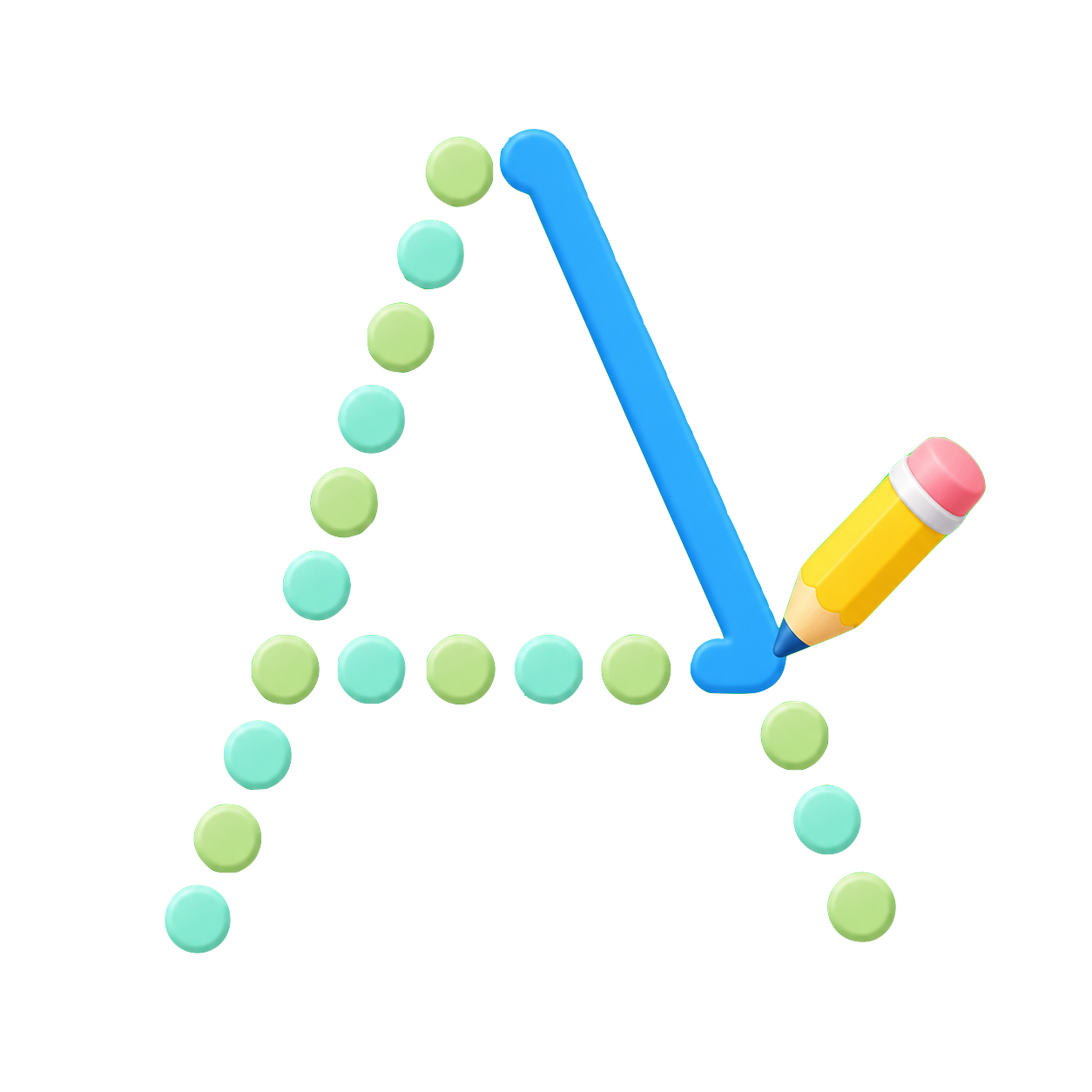
Function: asks the child to trace ordered dots along uppercase letter forms.
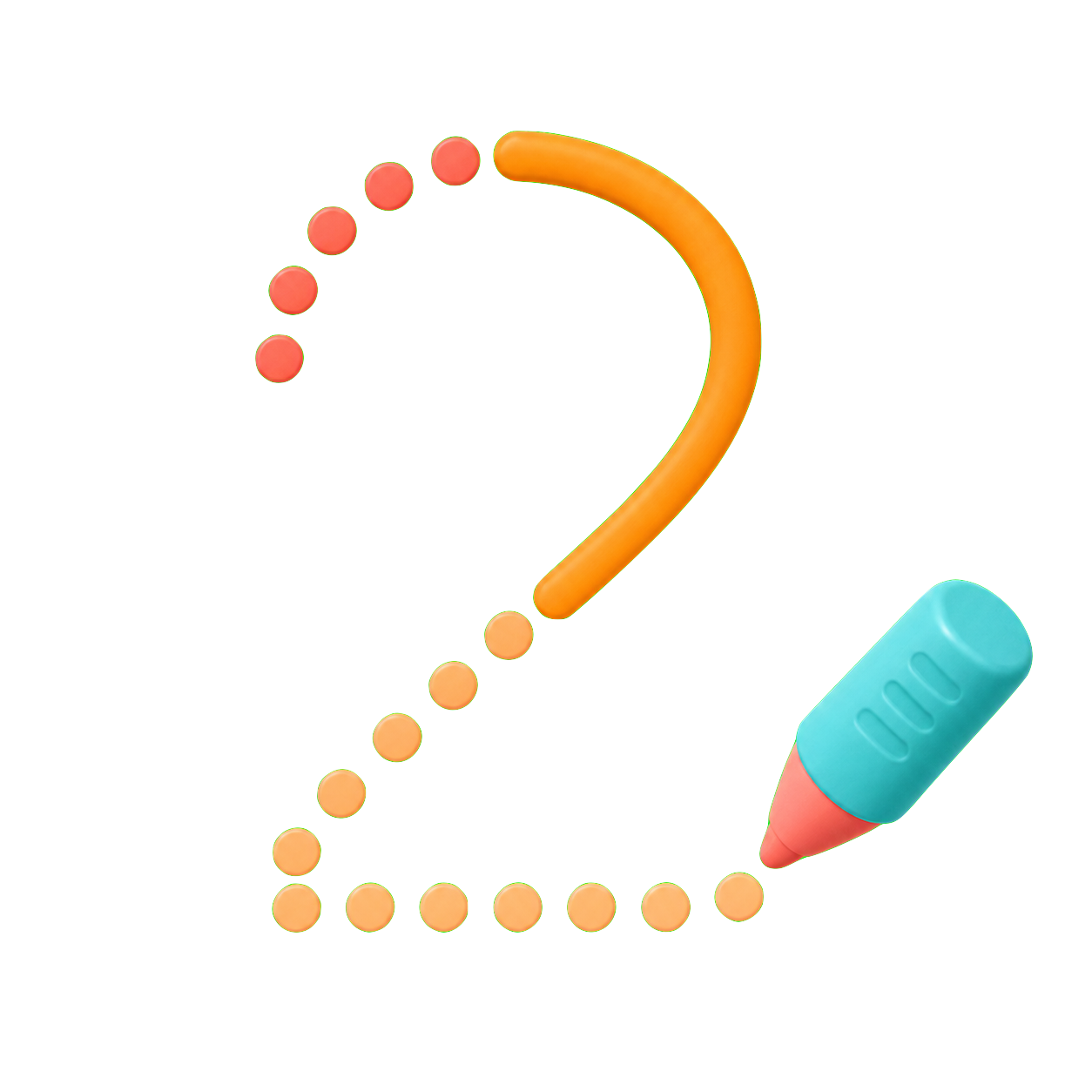
Function: asks the child to trace ordered dots along numeral forms from 0 to 9.
Early Logical stage
At this stage, activities use clearer multi-step rules. The child completes words, orders letters and numbers, builds simple equations, follows patterns, and works with time and color relationships.
Function: asks the child to identify a requested shape among a larger set of visually similar choices.
Function: uses color matching as a base for switching between more than one visual rule.
Function: keeps visual information active while the child waits, predicts, and recalls.
Function: connects counting order, visible quantities, and familiar number symbols.

Function: asks the child to complete short words by placing missing letters in their correct positions.
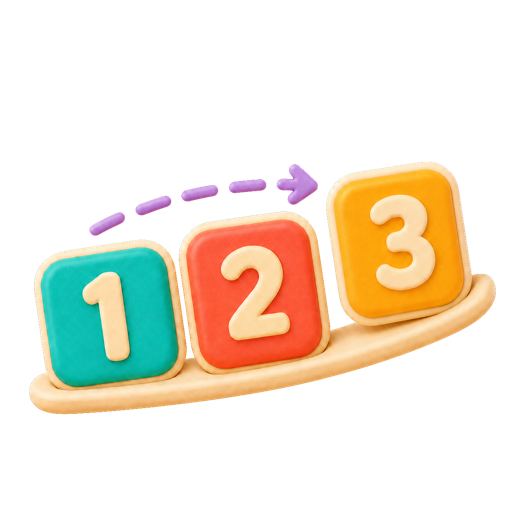
Function: asks the child to complete ascending or descending number sequences with missing values.
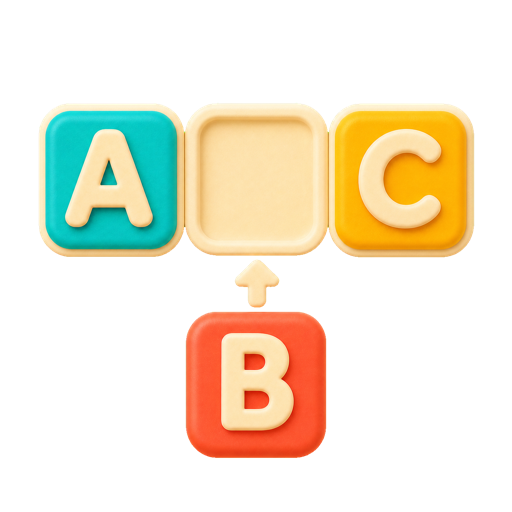
Function: asks the child to place missing letters into an ordered alphabet sequence.
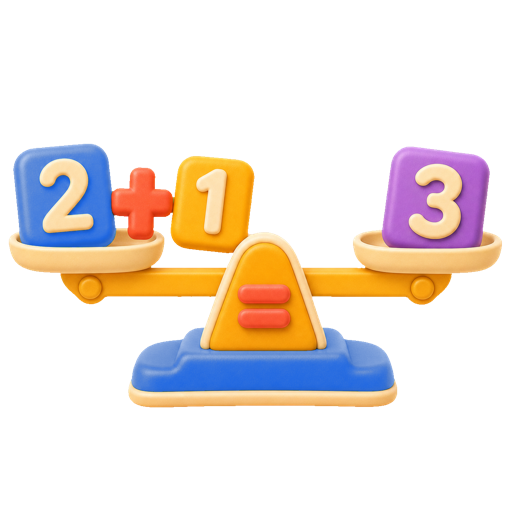
Function: presents simple addition or subtraction equations with one missing value to complete.
Function: uses memory and comparison to find matching visual information.
Function: asks the child to apply the visible category rule across three or four sorting choices.
Function: connects clock cues with sequence language and familiar parts of the day.
Function: asks the child to keep a steady finger movement inside increasingly narrow routes.

Function: presents a fixed sequence of color combinations for the child to merge and observe.
Function: plays an ordered instrument pattern, then asks the child to reproduce it from memory.